Introduction
Fire emergencies can occur suddenly and spread rapidly, leaving very little time for response. In residential, commercial, and industrial environments, the effectiveness of fire protection systems plays a crucial role in minimizing damage and saving lives. One of the most important factors that determines this effectiveness is regular Bảo trì hệ thống PCCC, which refers to the routine maintenance of fire protection systems.
Without consistent maintenance, even the most advanced fire safety systems can fail when they are needed most. Regular servicing ensures that every component functions correctly, reducing the likelihood of fire emergencies escalating into catastrophic events.
Understanding the Role of Bảo trì hệ thống PCCC
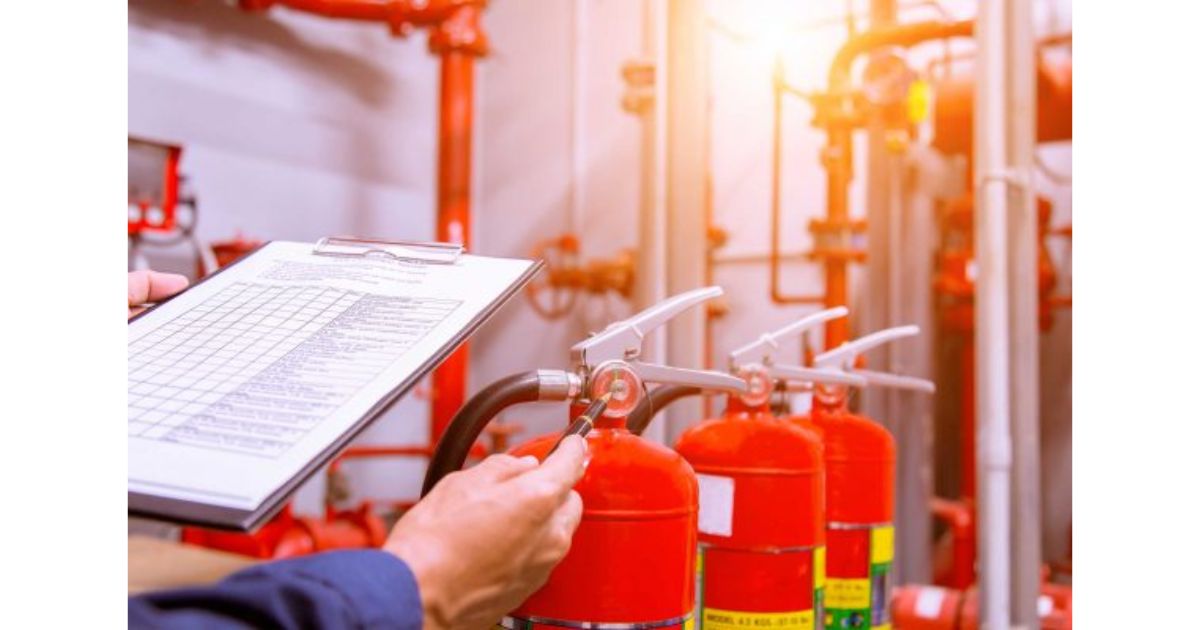
Bảo trì hệ thống PCCC involves the inspection, testing, cleaning, repairing, and upgrading of fire safety systems. These systems include fire alarms, smoke detectors, sprinkler systems, fire extinguishers, emergency lighting, and fire control panels.
The main objective of maintenance is to ensure that all components remain in optimal working condition. Fire protection systems are often inactive for long periods, but they must perform instantly and effectively during emergencies. Regular maintenance ensures this readiness at all times.
Why Fire Emergency Risks Increase Without Maintenance
When fire protection systems are not properly maintained, several risks can arise:
- Faulty smoke detectors may fail to detect early fire signs
- Sprinkler systems may become clogged or lose pressure
- Fire alarms may malfunction or remain silent
- Emergency lighting may not activate during power failure
- Control panels may send incorrect signals
These issues significantly increase the risk of fire emergencies escalating beyond control. In many cases, system failure is not due to poor design but due to lack of maintenance.
How Regular Maintenance Reduces Fire Emergency Risks
1. Early Detection of Fire Hazards
One of the most important benefits of regular Bảo trì hệ thống PCCC is ensuring early fire detection. Smoke detectors and heat sensors must remain highly sensitive to identify even small signs of fire.
During maintenance, technicians clean sensors, test sensitivity levels, and replace faulty components. This ensures that fire hazards are detected at the earliest possible stage, allowing immediate response before the situation worsens.
Early detection significantly reduces the risk of fire emergencies spreading uncontrollably.
2. Ensures Immediate System Activation
In a fire emergency, every second matters. Fire alarms, sprinkler systems, and suppression units must activate instantly. Regular maintenance ensures that all systems respond without delay.
Technicians test alarm signals, water pressure, valve functionality, and control systems to confirm proper operation. This guarantees that when a fire occurs, the system reacts immediately, minimizing damage and protecting lives.
3. Prevents System Failures During Critical Moments
One of the biggest dangers in fire emergencies is system failure. Without maintenance, fire protection systems may develop hidden issues such as electrical faults, mechanical wear, or software errors.
Regular Bảo trì hệ thống PCCC helps identify these problems before they become critical. Preventive repairs and replacements ensure that systems remain fully reliable during emergencies.
This significantly reduces the chances of catastrophic failure when the system is most needed.
4. Maintains Sprinkler System Efficiency
Sprinkler systems are a key component of fire suppression. However, they can become less effective over time due to blockages, corrosion, or pressure loss.
Routine maintenance includes:
- Cleaning sprinkler heads
- Testing water flow and pressure
- Inspecting pipelines for leaks
- Ensuring valve functionality
These steps ensure that water is distributed quickly and effectively during a fire. A well-maintained sprinkler system can control or even extinguish fires before they spread.
5. Enhances Emergency Evacuation Safety
Fire safety is not only about extinguishing flames but also about ensuring safe evacuation. Regular maintenance ensures that emergency lighting, exit signs, and alarm systems function properly.
When these systems are working correctly:
- Occupants can quickly locate exits
- Panic is reduced during emergencies
- Evacuation routes remain visible even in smoke-filled environments
This greatly reduces the risk of injuries or fatalities during fire incidents.
6. Reduces False Alarms and System Confusion
False alarms can create panic and reduce trust in fire safety systems. They can also lead to unnecessary evacuations and disruptions in operations.
Regular maintenance helps calibrate sensors and control systems to reduce false alerts. By ensuring accurate detection, Bảo trì hệ thống PCCC improves overall system reliability and ensures that alarms only activate when there is a real threat.
7. Improves Fire Response Coordination
Modern fire protection systems are often integrated with building management systems. Regular maintenance ensures that communication between fire alarms, control panels, and emergency response systems remains seamless.
When a fire is detected, the system can automatically:
- Alert building occupants
- Notify emergency services
- Activate suppression systems
- Control ventilation and elevators
This coordinated response helps contain the fire quickly and reduces emergency risks significantly.
8. Extends Equipment Lifespan and Reliability
Fire protection systems are long-term investments. Without maintenance, equipment can degrade quickly due to dust, moisture, and wear and tear.
Regular Bảo trì hệ thống PCCC helps extend the lifespan of:
- Fire alarms and sensors
- Sprinkler systems
- Electrical control panels
- Backup power systems
By maintaining equipment properly, building owners ensure long-term reliability and reduce the risk of sudden system failure.
Key Components Checked During Maintenance
A complete maintenance process typically includes inspection of:
- Smoke and heat detectors
- Fire alarm systems
- Sprinkler and water distribution systems
- Fire extinguishers
- Emergency lighting systems
- Fire control panels
- Backup power supply systems
Each of these components plays a vital role in preventing fire emergencies from escalating.
The Importance of Regular Inspection Schedules
Consistency is key when it comes to fire safety. Regular inspection schedules ensure that no component is overlooked for too long.
Common maintenance schedules include:
- Monthly system checks
- Quarterly performance testing
- Annual comprehensive inspections
Following a structured schedule ensures continuous protection and reduces unexpected system failures.
Common Risks Prevented by Regular Maintenance
Regular Bảo trì hệ thống PCCC helps prevent:
- Electrical fires caused by faulty wiring detection failure
- Structural damage from uncontrolled fire spread
- Loss of life due to delayed evacuation
- Business interruptions and financial losses
- Legal penalties for safety violations
By addressing these risks early, maintenance plays a critical role in overall fire prevention strategy.
Future of Fire Risk Prevention Through Maintenance
With advancements in technology, fire system maintenance is becoming more intelligent. Smart sensors, predictive analytics, and automated diagnostics are helping identify risks before they occur.
Future maintenance systems will focus on:
- Real-time monitoring of fire safety equipment
- AI-driven predictive failure detection
- Remote system diagnostics and control
- Automated maintenance alerts
These innovations will further reduce fire emergency risks and enhance building safety.
Conclusion
Regular Bảo trì hệ thống PCCC is essential for reducing fire emergency risks in all types of buildings. It ensures early detection, reliable system performance, efficient fire suppression, and safe evacuation during emergencies.
Without proper maintenance, even advanced fire protection systems can fail at critical moments. However, with consistent inspection and servicing, these systems become highly effective tools for preventing fire disasters.
Ultimately, regular maintenance is not just a technical requirement—it is a vital safety practice that protects lives, property, and long-term operational stability.